The essentials
Key takeaways
- A rewind decision begins with condition assessment and service history.
- The winding, core and associated systems must be considered together.
- Performance benefits depend on the original condition and agreed design.
What a stator rewind replaces
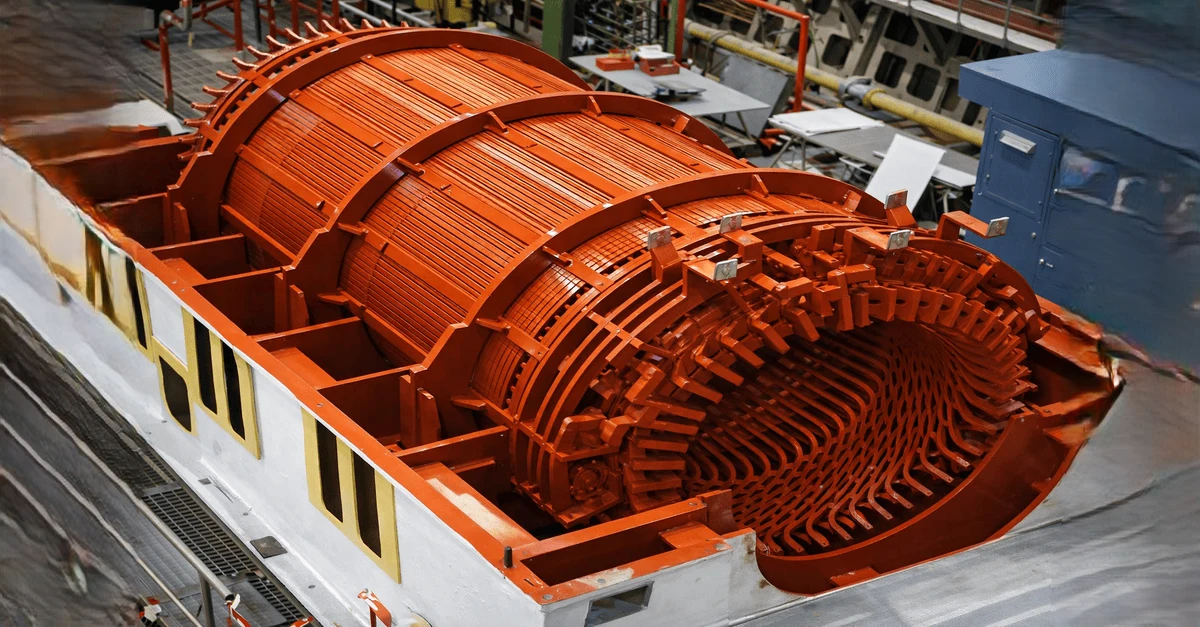
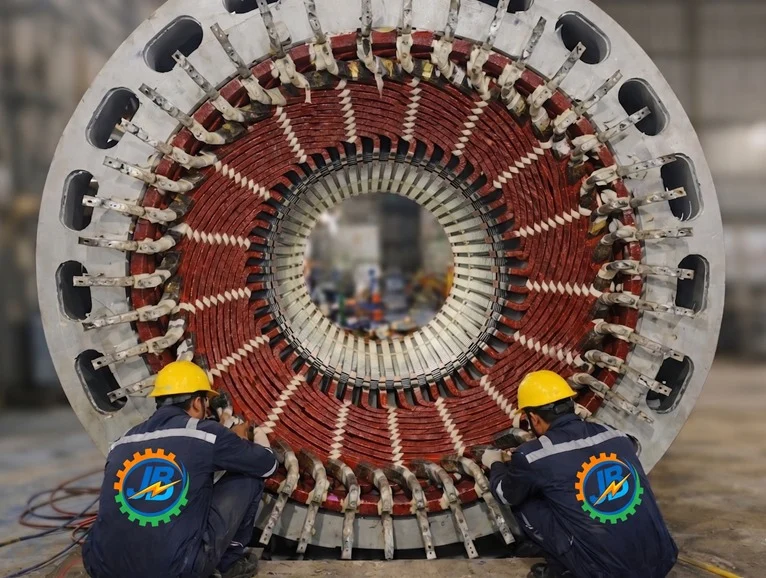
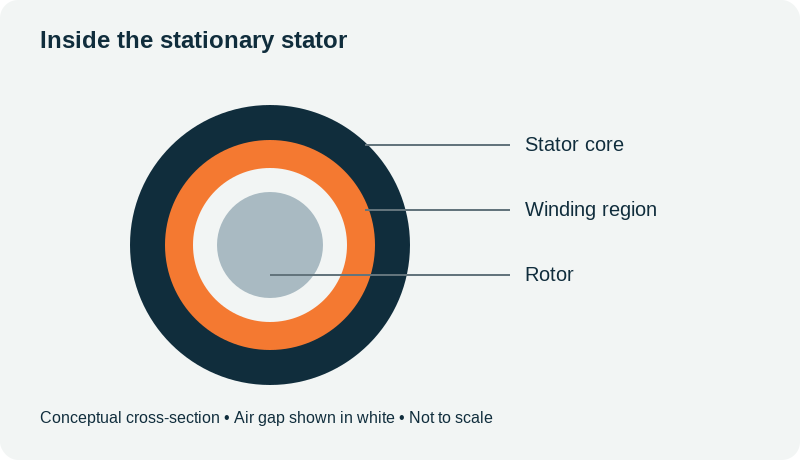
The stator is the stationary part of a generator. Its winding and insulation system must withstand the electrical, thermal and mechanical demands of operation. A rewind replaces the specified winding system while retaining other components that are suitable for continued service.
This is a major intervention rather than a routine task to repeat at a fixed interval. The scope must account for the condition of the core and the requirements of the complete machine.
When to consider a rewind
Operating history, inspection findings and diagnostic evidence help establish whether a rewind is appropriate and when it should be planned. A developing concern needs engineering interpretation, including consideration of alternatives where applicable.
A planned assessment also gives the team time to define the scope, source materials and align work with an outage. Avoid treating generator age alone as a complete diagnosis.
Set realistic performance expectations
A properly engineered rewind can support reliability and continued service. Insulation or winding design changes may be considered as part of a defined upgrade, but improved efficiency or higher output should not be assumed for every rewind.
Discuss the intended outcome before procurement: restoration to the agreed design, a specific upgrade or resolution of a documented defect. Acceptance criteria should reflect that outcome and the applicable machine requirements.
Testing and return to service
The inspection and test plan should be agreed for the particular generator and rewind scope. Keep traceable records of the work, materials and results, and identify any related findings that remain outside the rewind scope.
After reassembly, return-to-service checks and operating observations help establish a new reference for future monitoring. JB Advanced Engineering Limited provides generator maintenance and rewinding support; equipment details and previous reports help define the next steps.
A closer look
Explore the rewind process
Select a stage to see its purpose. The detailed sequence depends on the generator design.
1 · Assess & plan
Review the condition evidence, establish the winding specification and agree inspections, materials, outage access and testing.
2 · Remove & inspect
Access the stator, remove the specified winding components and assess the exposed core before proceeding.
3 · Install
Fit the engineered winding and insulation system, with checks and records throughout the approved process.
4 · Test & return
Complete the agreed tests, reassemble the machine and document the return-to-service checks.
Common questions
Should stators be rewound regularly?
Not as a blanket rule. Rewind timing should follow condition assessment, service history and engineering recommendations.
Does rewinding guarantee better efficiency?
No. Results depend on the existing condition, winding design and wider generator condition. Performance claims need a defined assessment.
Further reading
Technical background for the principles discussed. Equipment-specific instructions take precedence.
Discuss your equipment requirements
Share the equipment details, operating concerns and available inspection records with our team.