The essentials
Key takeaways
- Hydrogen serves as coolant, not generator fuel.
- Low gas density helps reduce windage losses.
- Pressure, purity and gas handling follow the machine-specific design.
Overview
Electrical power generation at utility scale depends on extremely efficient machines. Among these, hydrogen cooled generators stand out as a mature, high-performance technology that allows modern power plants (steam, gas, combined cycle) to produce large amounts of electricity with improved efficiency and lower losses compared to conventional air-cooled alternatives.
This article covers the design principles, auxiliary systems, benefits and limitations of hydrogen cooling, along with its operational and environmental context.
What is a Hydrogen Cooled Generator?
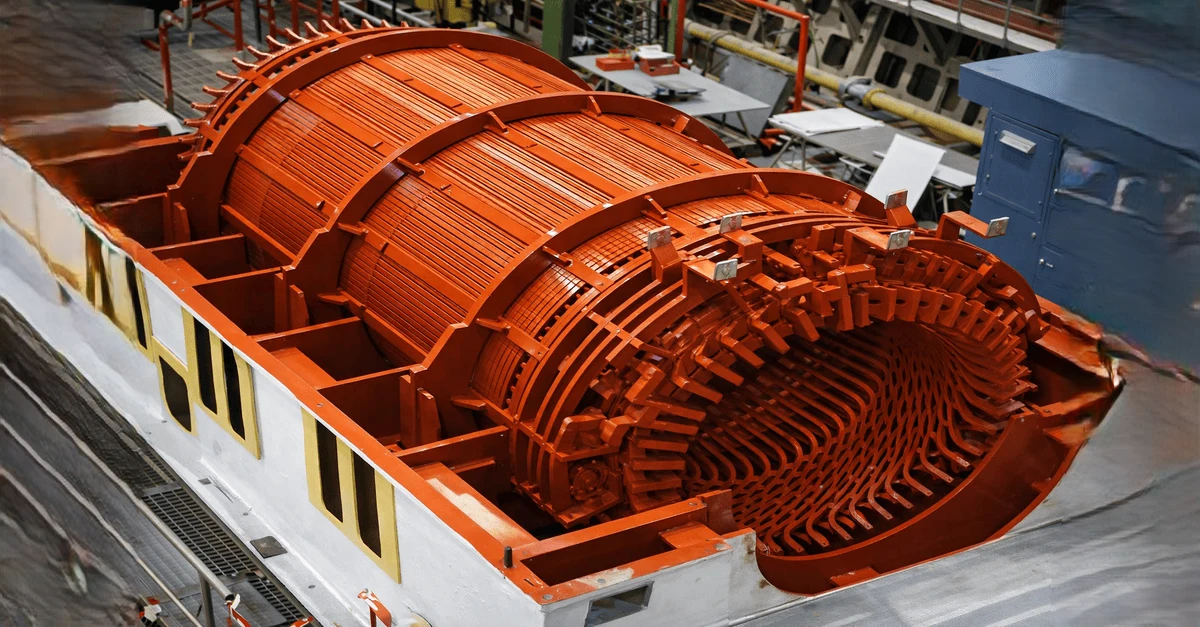
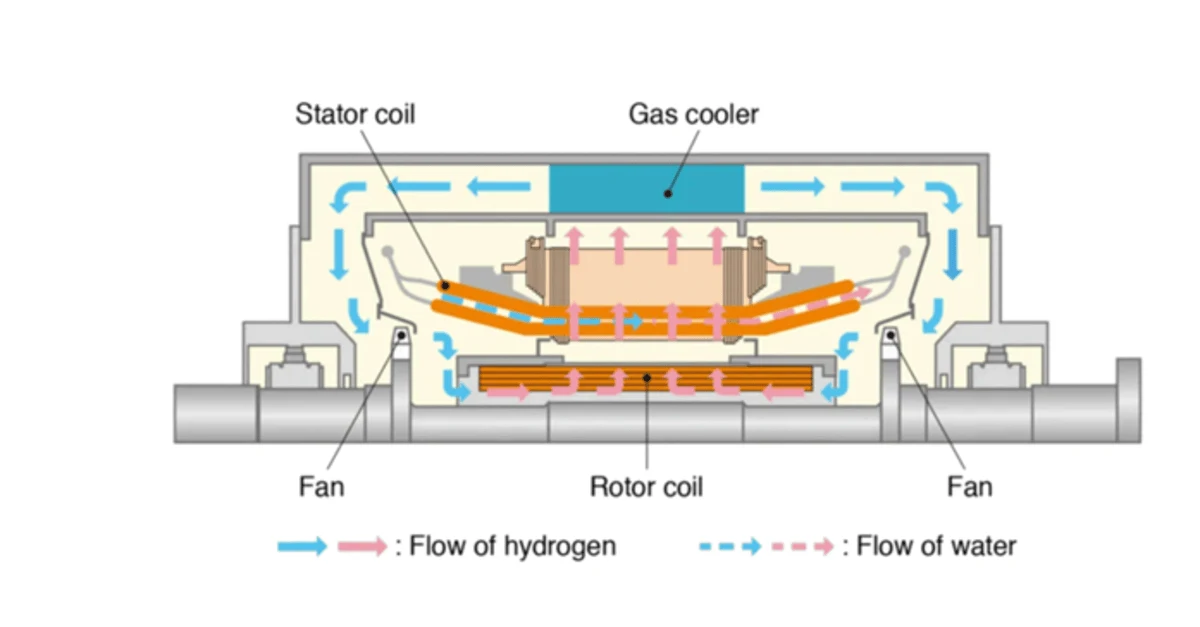
A hydrogen cooled generator uses gaseous hydrogen inside the generator housing as the primary cooling medium instead of air. Hydrogen is supplied at controlled pressure throughout the stator and rotor space, where it absorbs heat generated during electrical conversion and carries it to heat exchangers or hydrogen coolers
Hydrogen has higher thermal conductivity and lower density than air. These properties support heat transfer and reduce windage losses, with the actual benefit depending on machine design and operating conditions.
Design Principles & Architecture
Core Design Elements
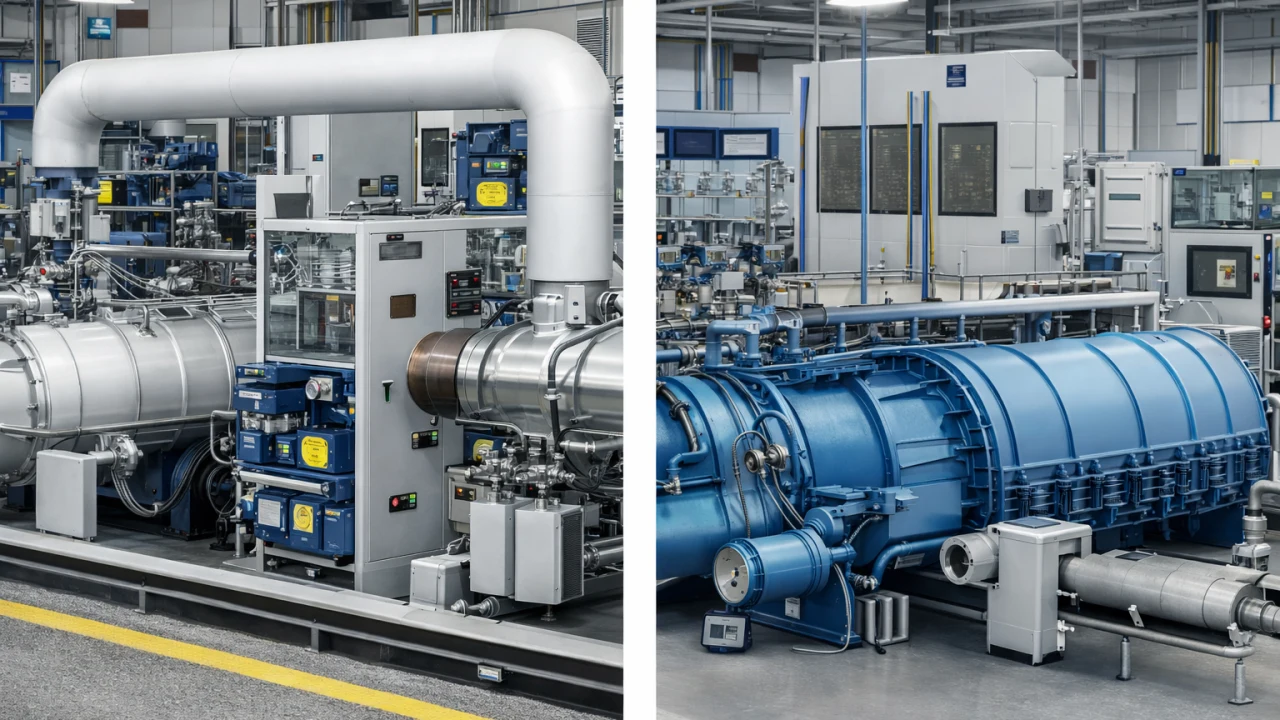
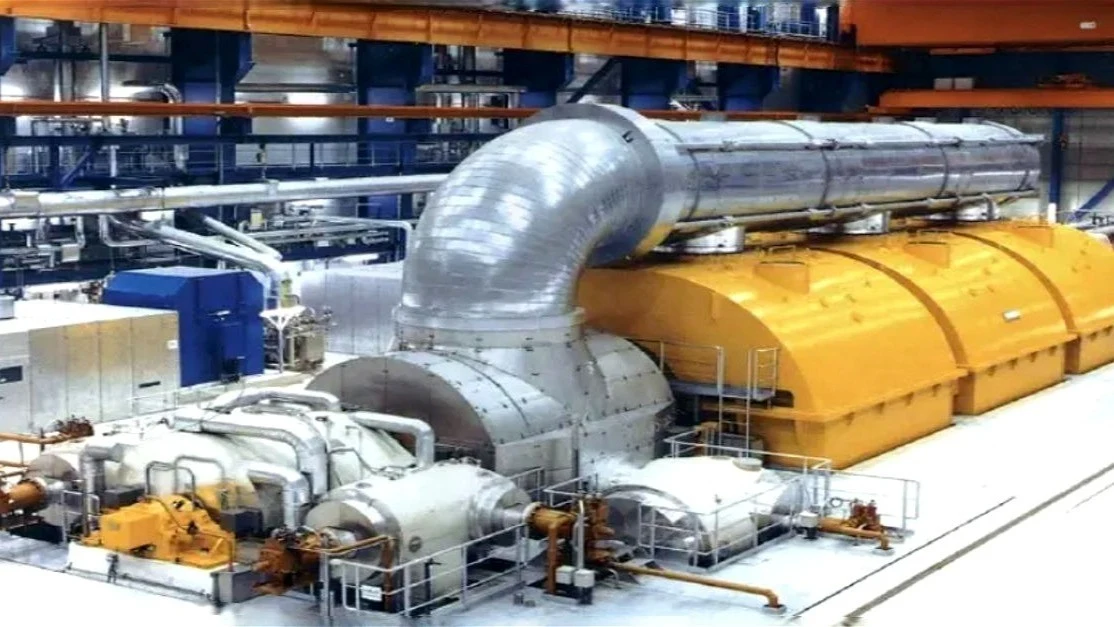
Hydrogen Enclosure
The active parts are enclosed in a gas-tight casing at the manufacturer-specified pressure. Rated pressure, purity and alarm limits must come from the machine documentation; there is no universal operating setpoint.
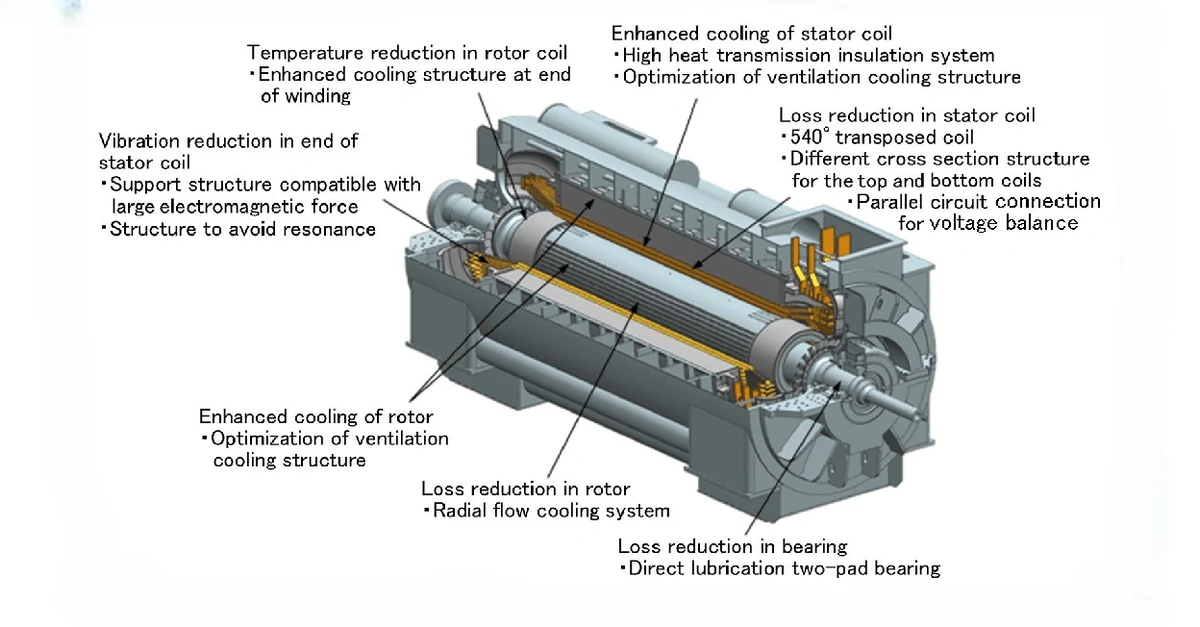
Internal circulation and heat exchangers: special fans or blowers driven by the rotor shaft circulate hydrogen through stator and rotor cooling passages. The heated gas is then routed through heat exchangers (hydrogen coolers) to transfer heat to plant cooling water or external systems.
Containment depends on the engineered casing, shaft seals and associated systems. Material selection and the classification of electrical equipment must suit the installation.
Control and monitoring: modern designs incorporate hydrogen purity sensors, pressure controllers, automatic purge systems, leak detectors and gas analyzers to maintain safe and efficient operation.
Safety Considerations in Design and Operation
Hydrogen is highly flammable when mixed with oxygen therefore safety is a foundational aspect of system design:
Hydrogen Purity & Leak Prevention
Hydrogen purity must remain within the OEM operating limits. Air ingress can create a flammable mixture and reduce cooling performance. Use the approved site procedures for gas monitoring, alarms, trips and purging.
Pressure & Ventilation Controls
Pressure protection, vent routing and room ventilation are engineered for the installation. Leaks must be detected and managed through the approved protection and operating arrangements.
Fire & Explosion Mitigation
Hydrogen safety relies on a complete engineered system: gas-tight containment, suitable electrical equipment, ventilation, hydrogen detection, pressure protection, safe vent routing, controlled purging and trained operating procedures. Emergency actions, isolation logic and alarm/trip setpoints must follow the approved OEM and plant procedures; no generic sequence should replace the site-specific hydrogen handling procedure.
Sealing & Material Selection
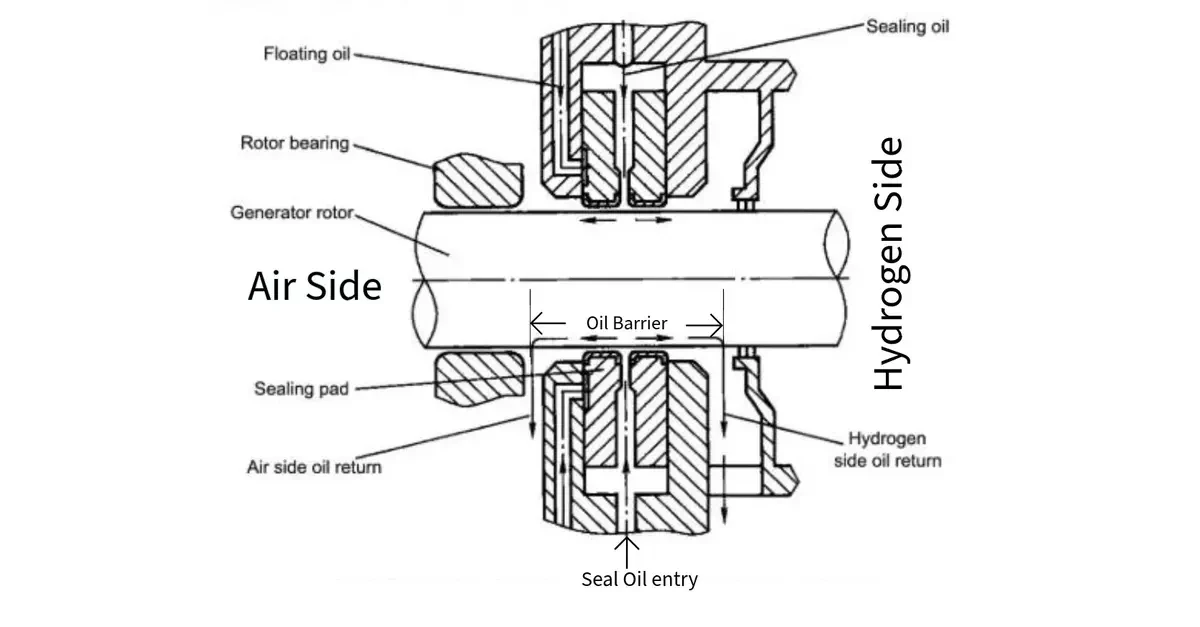
Mechanical seals at the shaft exit use liquid-fed systems to prevent hydrogen escape around moving parts. Specialized insulation and bearing materials enhance durability in hydrogen environments.
Safety systems must be included from initial design through commissioning and ongoing maintenance a critical factor in realizing the technology’s high reliability.
Advantages of Hydrogen Cooling
Hydrogen cooled generators offer multiple benefits that make them attractive for utility-scale power generation:
Superior Cooling Efficiency
Hydrogen’s thermal properties result in more efficient heat removal than air, allowing for higher power output without overheating.
Reduced Mechanical & Electrical Losses
Hydrogen’s low density minimizes windage losses, reducing friction on rotating components and thereby improving efficiency and reducing noise.
Extended Equipment Life
Maintaining the specified temperatures helps limit thermal ageing of the insulation. Service life also depends on electrical, mechanical and environmental stresses.
Higher Power Density
Hydrogen cooling can support high power density; compare complete designs at equivalent duty.
Operational Reliability
Consistent cooling performance across temperature ranges allows stable and predictable operation, which is essential for grid availability.
Limitations and Challenges
While effective, hydrogen cooling also comes with challenges:
Cost & Complexity
Gas-tight containment, shaft seals, monitoring and associated safety systems add cost and maintenance requirements.
Hydrogen Handling Risks
Hydrogen storage and handling require specialized infrastructure and rigorous safety protocols, elevating operational vigilance requirements.
Purity Maintenance
Hydrogen’s performance gains depend heavily on high purity; contamination can reduce cooling effectiveness and increase losses.
Skill-Intensive Maintenance
Technicians must be trained in hydrogen safety, pressure control systems, and advanced diagnostics - adding to workforce training needs.
Limitation summary
- Higher capital and operational costs
- Enhanced safety requirements
- Technical complexity
- Dependency on high-integrity sealing and monitoring
Environmental Impact
Hydrogen cooled generators impact the environment in several ways:
Reduced Operational Footprint
By enhancing generator efficiency and lowering losses, they help reduce fuel consumption and emissions per unit of electricity produced — especially in fossil-fired and combined-cycle plants.
Integration with Clean Energy Hydrogen
The source and quantity of the cooling hydrogen contribute to the lifecycle assessment. Cooling hydrogen is distinct from hydrogen used as turbine fuel.
Lifecycle Emissions
While the cooling medium itself doesn’t produce emissions, upstream hydrogen production (if from fossil fuels) can contribute to CO₂ emissions unless green hydrogen sources (electrolysis powered by renewables) are used.
Supporting Cleaner Grids
Improved efficiency supports grid decarbonization strategies by allowing plants to run more flexibly and reliably, aiding in renewable integration.
Global Significance
Hydrogen cooled generators play a strategic role in the world energy mix:
Dominant in Utility-Scale Plants
Hydrogen cooling is widely used in many large turbo-generators, but there is no universal 60 MW threshold above which it is required. Cooling selection depends on generator rating, design, speed, losses, temperature limits, economics, site conditions and OEM technology. Air-cooled, hydrogen-cooled and water-cooled arrangements are all used across overlapping rating ranges.
Supporting Energy Transition
As power systems decarbonize, efficient generation helps reduce overall grid emissions and supports the transition to a mix of renewables and low-carbon generation.
Industry Adoption
Generator manufacturers offer different cooling technologies across overlapping rating ranges; selection requires application-specific performance data.
The Future of Hydrogen Cooled Generators
Hydrogen cooled generators will remain relevant in the decades ahead, driven by innovation and energy transition pressures:
On-Site Green Hydrogen Production
On-site hydrogen production may reduce delivery needs in some installations, but introduces its own equipment, maintenance and safety requirements.
Digital Monitoring & Predictive Safety
Monitoring and analytics can support anomaly detection when validated against equipment condition and operating history.
Integration with Renewables
While hydrogen cooled systems themselves don’t create renewable electricity, they support smoother grid operation and balancing as renewables scale.
Sustainability Focus
Future development can focus on reducing leakage, improving heat transfer and monitoring, and evaluating the lifecycle impact of the cooling system.
Powering Tomorrow with Confidence
Hydrogen cooled generators are a cornerstone technology for large-scale power generation offering high efficiency, reduced losses, and robust performance when designed and operated with rigorous safety protocols. Their role in supporting both traditional and transitional energy systems highlight their global significance. While challenges like cost and safety persist, ongoing innovation and integration with clean hydrogen pathways position them for a critical role in the future energy landscape.
A closer look
Explore the key principles
Select a topic below to see its role in the complete system.
Heat removal
Circulating hydrogen collects heat from the specified internal passages and carries it to coolers.
Containment
The casing and shaft seals retain the gas as part of an engineered system.
Monitoring
Gas conditions and auxiliary-system health require approved instrumentation, limits and procedures.
Common questions
Does hydrogen cooling make a plant carbon-free?
No. Cooling is separate from the plant energy source; lifecycle emissions depend on the entire energy chain.
Can a generic purity target be applied to every generator?
No. Rated conditions and operating limits come from the OEM documentation and approved site procedures.
Further reading
Technical background for the principles discussed. Equipment-specific instructions take precedence.
Discuss your equipment requirements
Share the equipment details, operating concerns and available inspection records with our team.