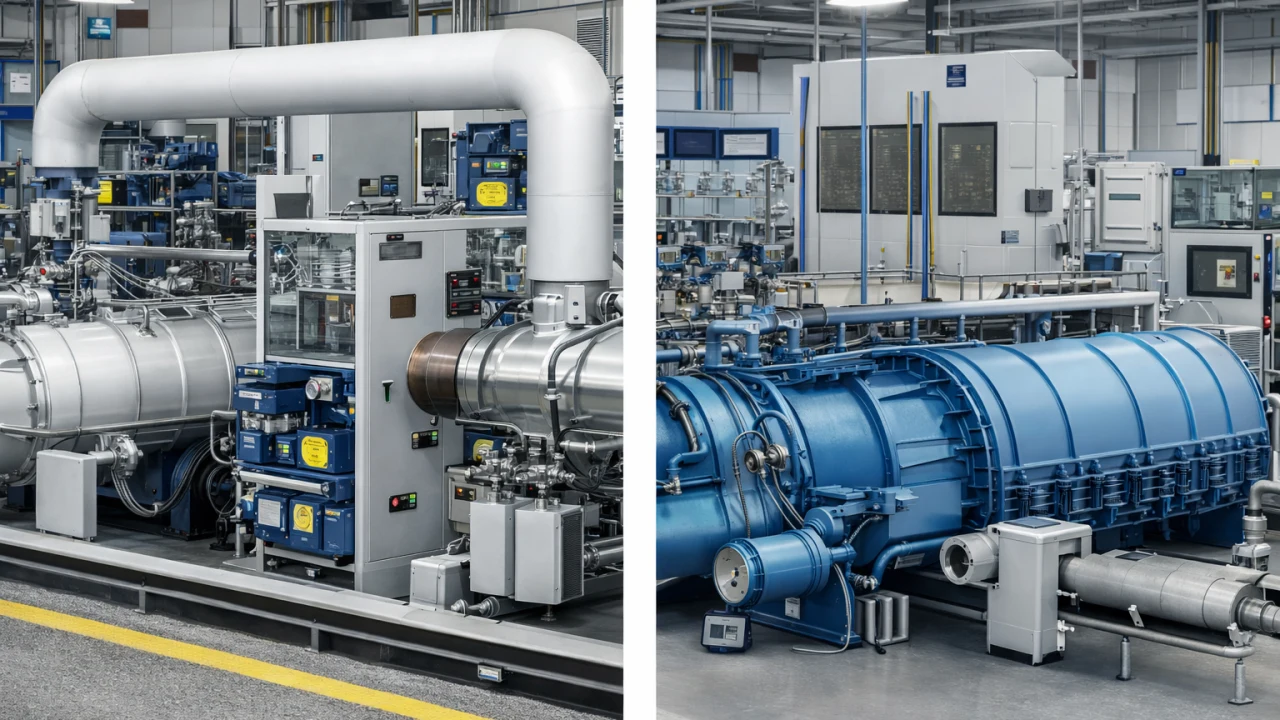
The essentials
Key takeaways
- Combine scheduled maintenance with evidence from equipment condition.
- Use inspection findings to define repairs, spares and outage priorities.
- Track results after maintenance to confirm the work has addressed the problem.
Why maintenance matters
Turbines, generators and boilers work under demanding thermal, mechanical and electrical conditions. Small changes can develop gradually, making operating history and repeatable inspections valuable. Maintenance creates an opportunity to identify deterioration and plan a response before the consequences become more disruptive.
A useful programme goes beyond a calendar of tasks. Each activity should have a purpose: establish condition, restore a component, investigate a trend or confirm that equipment is ready to return to service. Benefits depend on the equipment, its duty and the quality of the work.
Scheduled work and condition monitoring
Preventive maintenance follows defined intervals or operating milestones. Condition-based work responds to inspection findings and trends. These approaches complement one another: a scheduled inspection may reveal a problem that changes the next outage scope.
Use the applicable manufacturer guidance alongside operating hours, starts, duty changes and previous findings. A single unusual reading deserves investigation in context; it is not automatically proof that a component needs replacement.
Turn findings into an outage plan
Start with a consolidated equipment history: previous reports, unresolved defects, operating trends and spare-parts availability. Separate essential work from work that can be assessed once equipment is opened. Agree responsibilities, access requirements and acceptance criteria before execution.
Choose a service partner for relevant equipment experience, inspection capability, documentation quality and realistic support arrangements. A clear scope and traceable findings make subsequent maintenance decisions easier.
Close the maintenance loop
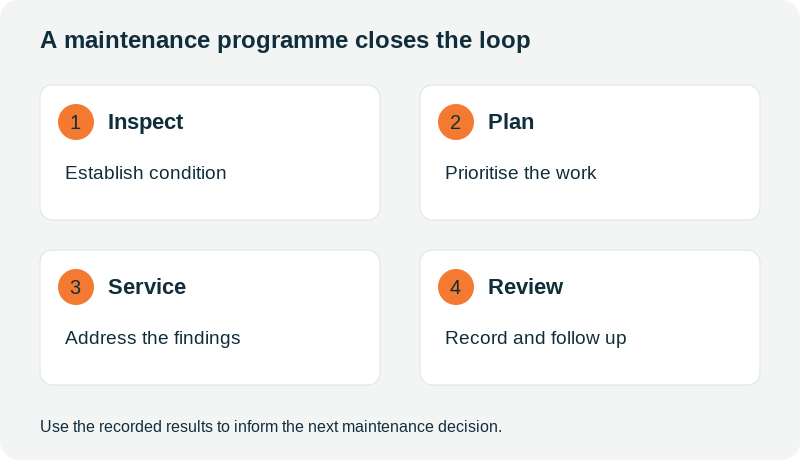
Keep records of the as-found condition, work completed and results obtained. Compare post-maintenance operation with the appropriate baseline under comparable conditions. Follow up on unresolved findings instead of assuming that completion of the outage closes every issue.
JB Advanced Engineering Limited supports plant maintenance and equipment servicing. Share the equipment details and inspection history to discuss an appropriate scope.
A closer look
Explore maintenance considerations
Select an equipment group to see what belongs in the planning discussion.
Turbines
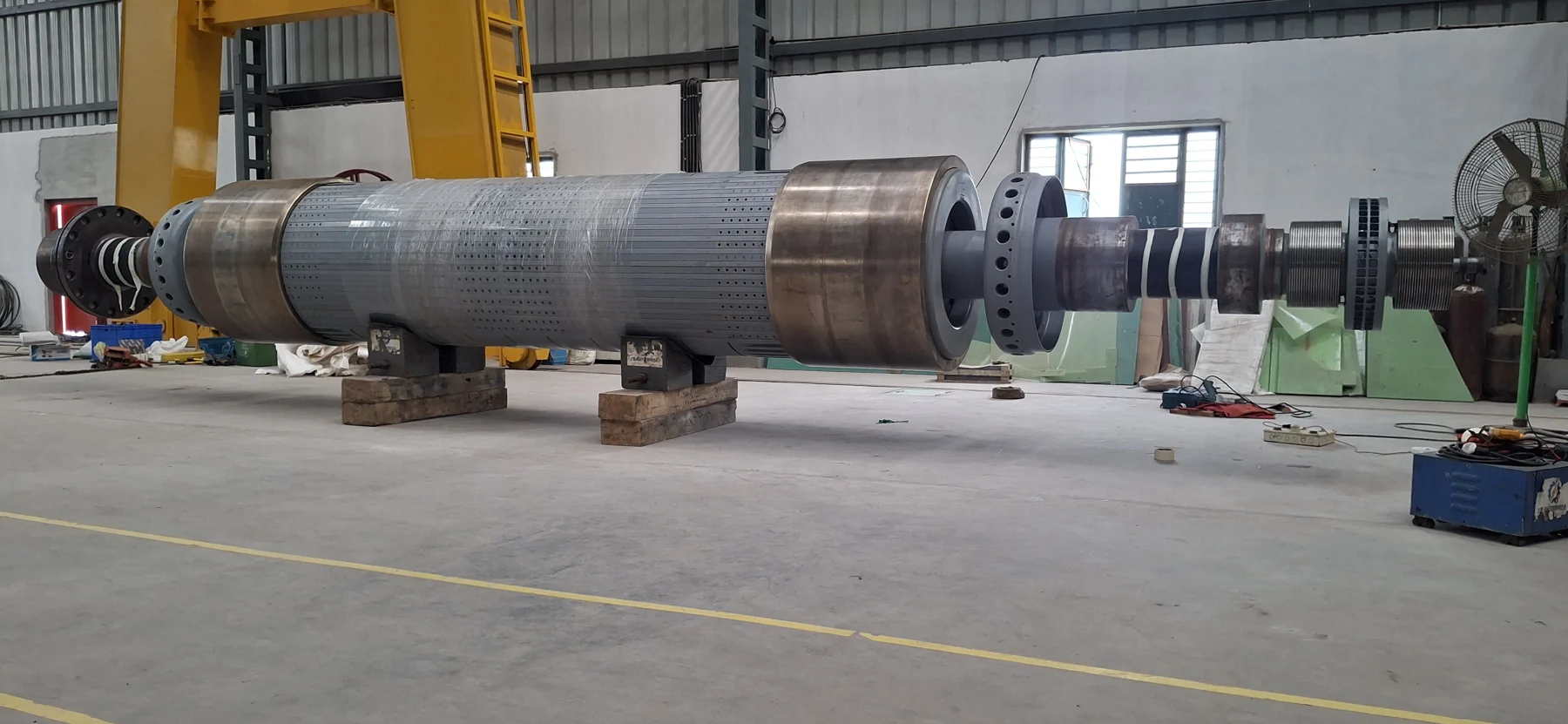
Review vibration trends, bearing condition, blade observations and evidence of leakage or erosion. The findings help define inspection and repair scope.
Generators
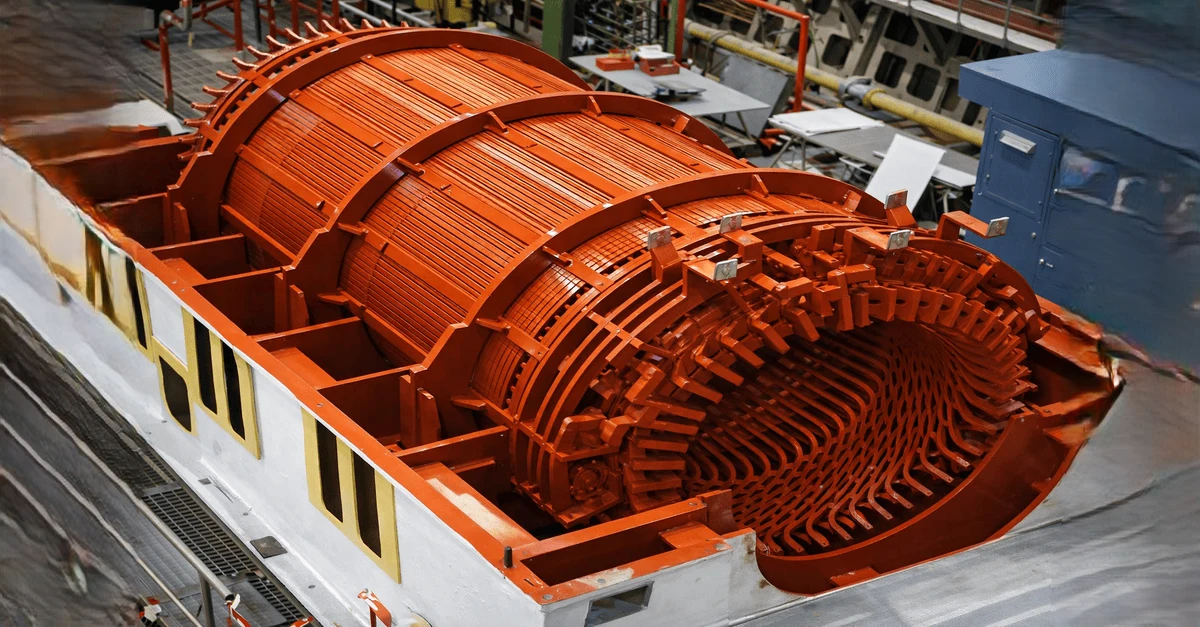
Review winding and insulation condition, cooling performance, connections and operating history. Electrical findings should be interpreted by qualified specialists.
Boilers
Review inspection history, leakage, deposits and relevant operating trends. Plan specialist examination in line with the equipment and applicable inspection requirements.
Common questions
How often should maintenance take place?
There is no single interval for every plant. Use manufacturer recommendations, operating duty, condition findings and applicable inspection requirements.
Does planned maintenance eliminate breakdowns?
No. It can reduce exposure to developing faults, but reliability also depends on design, operation, environment and how effectively findings are addressed.
Further reading
Technical background for the principles discussed. Equipment-specific instructions take precedence.
Discuss your equipment requirements
Share the equipment details, operating concerns and available inspection records with our team.