The essentials
Key takeaways
- Inspection establishes whether components are suitable for restoration.
- Compare the complete outage and lifecycle scope, not only purchase prices.
- Confirm acceptance criteria and testing before repairs begin.
Start with condition, not assumptions
Refurbishment aims to restore suitable existing turbine components to an agreed condition. It may address deterioration found during service, but it cannot be assumed to resolve every limitation of an ageing machine. The first decision is whether the condition and intended future duty support restoration.
Compile the operating history, previous repair records and current concerns. Inspection findings then determine which components can be retained, which need repair and which may require replacement.
What refurbishment can address
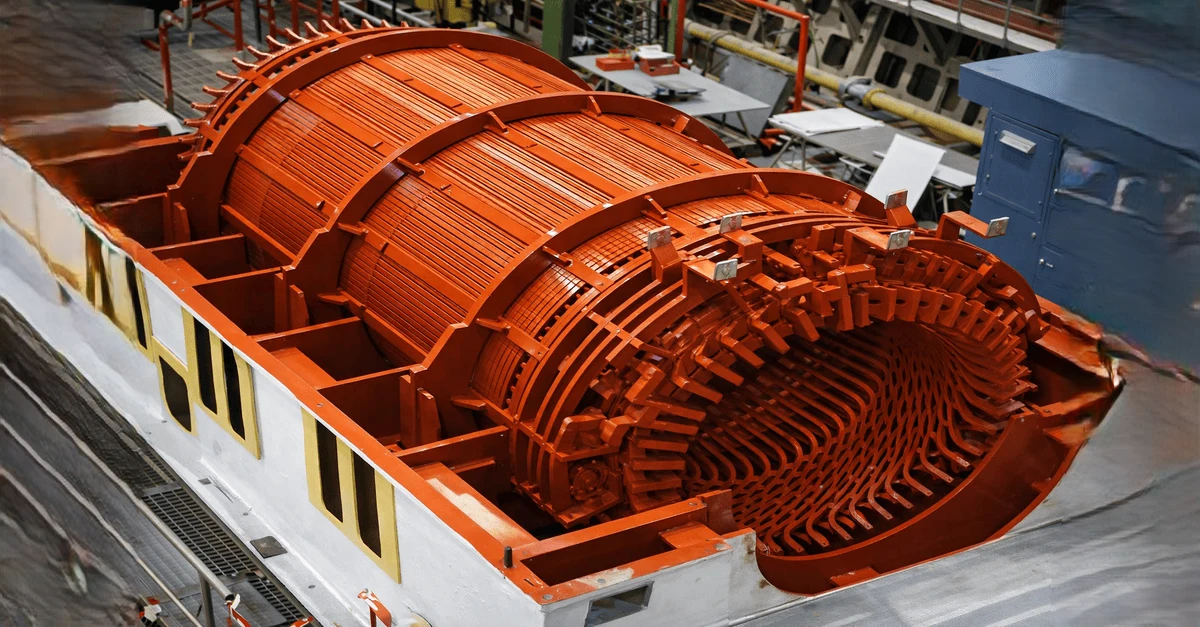
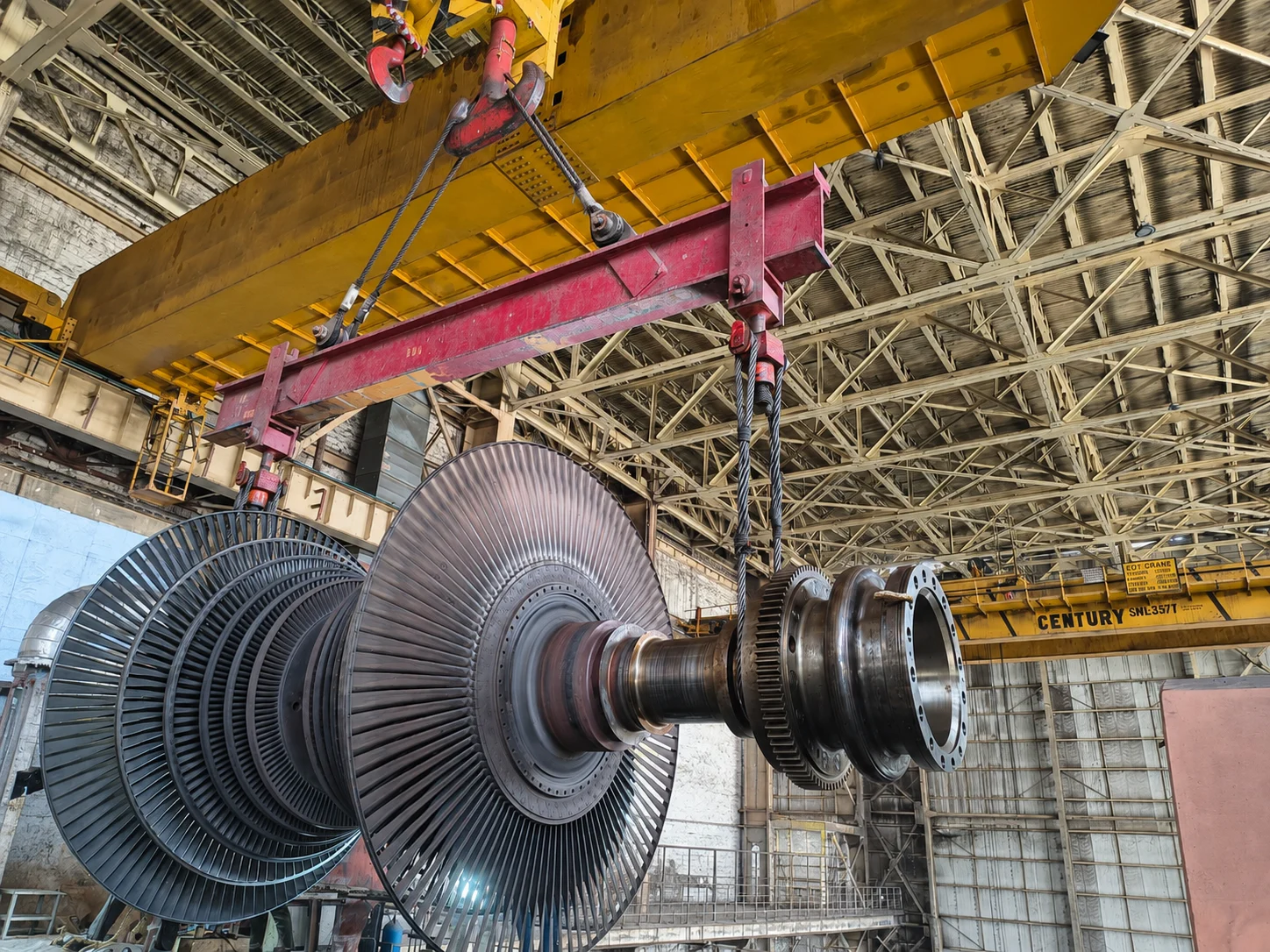
Blade wear and erosion, damaged surfaces and rotor-related problems are common reasons to investigate a refurbishment scope. The appropriate response depends on the location, extent and cause of the damage. Simply treating the visible symptom may leave the underlying operating problem unresolved.
A repair plan should identify the affected components, proposed work and acceptance criteria. Any changes to design or materials need appropriate engineering assessment; they should not be presented as automatic improvements.
Compare refurbishment with replacement
Refurbishment may retain useful components and reduce the extent of new manufacturing. Its commercial value depends on inspection results, repair complexity, parts availability, outage duration and the required remaining service life. A fixed savings percentage is not a reliable substitute for an equipment-specific estimate.
Assess replacement against the same operating requirements and time horizon. Include installation work, interfaces, commissioning and the consequences of outage duration. The lowest initial quote may not represent the lowest total cost.
Make the outcome measurable
Select specialists with relevant turbine experience and a documented inspection and repair process. Agree what will be measured and recorded at completion, and clarify which checks occur in the workshop and which occur after installation.
JB Advanced Engineering Limited offers refurbishment support tailored to equipment needs. Share inspection reports, operating concerns and outage plans to start a practical discussion.
| Consideration | Refurbishment | Replacement |
|---|---|---|
| Existing condition | Requires components suitable for restoration. | Can address unsuitable or obsolete equipment. |
| Scope | Inspection, repairs and selected replacement parts. | New equipment, interfaces and installation. |
| Cost & timing | Depends on findings and repair complexity. | Depends on supply, installation and commissioning. |
A closer look
Follow the refurbishment process
Explore the stages that turn an initial concern into a defined repair scope.
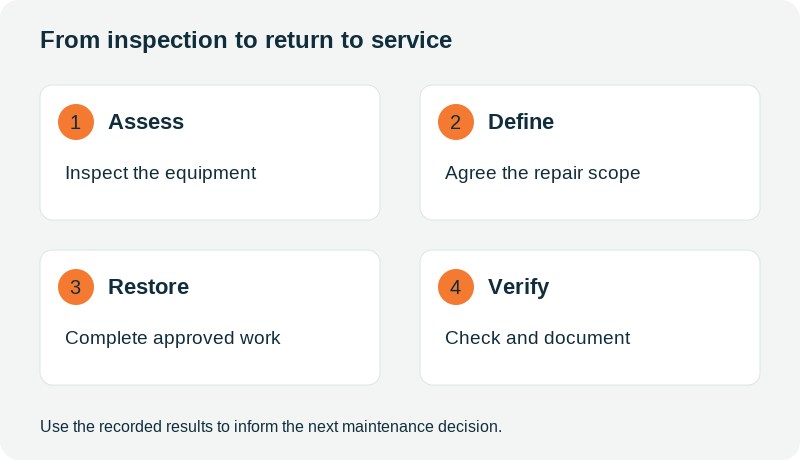
1 · Assess
Review operating history and inspect the equipment. Establish the extent of deterioration and the suitability of components for repair.
2 · Define
Agree repair methods, replacement parts, acceptance criteria and outage constraints. Resolve uncertainties before committing the final scope.
3 · Restore
Carry out the approved repairs and component work, recording findings and any changes to the agreed scope.
4 · Verify
Complete the specified inspections and tests, document results and plan the return-to-service checks.
Common questions
Is refurbishment always cheaper?
No. Extensive damage, obsolete parts or changed operating requirements can alter the comparison. Evaluate a defined scope against replacement.
Will refurbishment increase output?
Restoration and an engineered performance upgrade are different scopes. Any output improvement needs a specific assessment and agreed performance conditions.
Further reading
Technical background for the principles discussed. Equipment-specific instructions take precedence.
Discuss your equipment requirements
Share the equipment details, operating concerns and available inspection records with our team.